Spring Soil Preparation: Burch Landscaping Method Guide
Spring gardens often fail before the first seed touches soil. The Burch Landscaping Method revolutionizes traditional soil preparation by working with nature's systems rather than against them, reducing watering needs by up to 40% while increasing yield by 30%.
Key Takeaways: The Burch Method
- The Burch Landscaping Method emphasizes soil biology over chemistry, focusing on building microbial life for long-term garden health rather than quick chemical fixes.
- Proper spring soil preparation using the Burch Method can reduce watering needs by up to 40% while increasing yield by 30% compared to conventional methods.
- Timing is critical - beginning soil work 4-6 weeks before your last frost date gives amendments time to integrate naturally into your soil ecosystem.
- Unlike traditional approaches, the Burch Method uses minimal tilling and targeted amendments based on actual soil tests rather than guesswork.
- Burch Landscaping's specialized techniques for problem soils have transformed previously unproductive gardens into thriving landscapes across various climate zones.
Spring gardens often fail before the first seed touches soil. The difference between thriving plants and disappointing results usually comes down to what happens beneath the surface. The Burch Landscaping Method revolutionizes traditional soil preparation by working with nature's systems rather than against them. Developed through decades of practical experience, this approach delivers consistent results across diverse soil types and growing conditions.
Your garden's foundation determines everything that grows above it. With the Burch Method, you'll transform your soil into a living ecosystem that supports plants naturally, reducing the need for constant intervention. Burch Landscaping's innovative approach focuses on building soil structure rather than just adding nutrients, creating gardens that grow stronger each season with less work and fewer inputs.
Why Your Spring Garden Fails Before You Plant
The disappointing results many gardeners face come from fundamental misunderstandings about soil health. Years of conventional gardening advice has prioritized quick fixes over sustainable soil building. Plants struggle in soil that lacks proper structure, beneficial microorganisms, and balanced nutrition -- all elements addressed by the Burch Method's systematic approach to spring preparation.
Common Soil Mistakes That Doom Gardens
Most gardeners unknowingly sabotage their soil before the growing season begins. Aggressive tilling destroys fragile soil structure and disrupts beneficial fungi networks that transport nutrients to plant roots. Over-application of synthetic fertilizers creates chemical imbalances that burn tender root systems and reduce microbial activity. Perhaps most damaging is the tendency to work soil when it's too wet, compacting it into concrete-like clumps that restrict root growth and oxygen flow.
The Hidden Cost of Skipping Proper Preparation
When gardeners cut corners on soil preparation, the consequences cascade throughout the growing season. Plants develop weak root systems in poor soil, making them vulnerable to drought stress and disease. Nutrient imbalances lead to blossom-end rot, yellow leaves, and stunted growth that no amount of mid-season correction can fully remedy. The worst part? These problems compound year after year, requiring increasingly aggressive interventions just to maintain mediocre results.
What many don't realize is that proper spring soil preparation actually saves time and money over the growing season. Gardens with well-prepared soil require less watering, fewer fertilizer applications, and suffer fewer pest and disease issues. The Burch Method front-loads the work to create self-sustaining garden beds that grow stronger with each passing season.
Why Traditional Tilling Damages Soil Structure
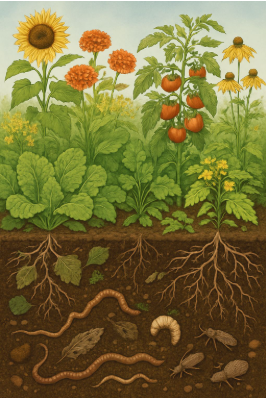
The rototiller has long been considered essential spring equipment, but this approach causes more harm than good. Traditional deep tilling shatters the delicate soil aggregates that allow for proper air and water movement. It also disrupts mycorrhizal fungi networks that help plants access nutrients and water across wide areas. Perhaps most damaging, tilling accelerates organic matter decomposition, reducing the soil's carbon content and its ability to support diverse microbial life.
Instead of aggressive tilling, the Burch Method emphasizes minimal soil disturbance and surface amendment incorporation. This preserves soil structure while allowing amendments to integrate naturally through the activity of earthworms and beneficial microorganisms. The result is soil that becomes more resilient each season rather than more depleted.
- Traditional tilling destroys soil structure and beneficial fungi networks
- Excessive tilling releases carbon and accelerates organic matter loss
- Burch Method uses minimal soil disturbance techniques
- Soil amendments integrate naturally through biological activity
- Preserved soil structure improves water retention and root development
The Science Behind Burch Landscaping's Soil Approach
The Burch Method isn't based on gardening folklore but on solid soil science principles. At its core is the understanding that soil functions as a complex living ecosystem rather than simply as a medium to hold plants upright. This ecosystem approach prioritizes the relationship between mineral particles, organic matter, air space, water, and the billions of microorganisms that transform raw materials into plant-available nutrition.
How Brian Burch Developed His Signature Method
Brian Burch didn't start with academic soil science but with practical observation. After years of conventional landscaping work, he noticed that some properties maintained their vigor with minimal intervention while others required constant inputs. This curiosity led to a decade of experimentation across hundreds of properties in varying soil conditions.
The breakthrough came when Burch began studying soil biology rather than just soil chemistry. By focusing on creating conditions that supported diverse microbial life, he developed a system that worked with natural processes rather than trying to override them. The results spoke for themselves -- gardens with better drought resistance, fewer pest issues, and consistently higher yields with decreasing input requirements over time.
Why pH Balance Matters More Than You Think
Soil pH is far more than a number -- it's the key that either locks up or unlocks nutrients for your plants. The Burch Method emphasizes pH correction as a foundational step because even nutrient-rich soil becomes functionally deficient when pH is incorrect. Most vegetables and ornamentals thrive in slightly acidic soil (6.2-6.8) where maximum nutrient availability occurs. When pH drifts too far in either direction, plants struggle regardless of fertilization.
What makes the Burch approach unique is its emphasis on gradual pH adjustment rather than drastic correction. Dramatic pH changes shock soil microorganisms and can create new imbalances. Instead, Burch recommends incremental adjustments over multiple seasons, allowing the soil ecosystem to adapt naturally. This patient approach yields more stable, lasting results than quick chemical fixes.
The Microbial Foundation of Healthy Gardens
At the heart of the Burch Method lies a profound respect for soil microbiology. A single teaspoon of healthy soil contains more microorganisms than there are people on Earth -- billions of bacteria, fungi, protozoa, and nematodes working in concert to create plant-available nutrition. These microbes break down organic matter, cycle nutrients, protect plants from pathogens, and even communicate with plant roots about environmental conditions.
Unlike conventional approaches that often disrupt this microbial community, the Burch Method nurtures it. By minimizing soil disturbance, avoiding synthetic chemicals, and providing diverse organic inputs, this method creates ideal conditions for beneficial microbes to flourish. The result is a self-regulating soil ecosystem that becomes increasingly fertile and resilient with each passing season.
Clay vs. Sandy Soil: Customizing Your Approach
The Burch Method recognizes that different soil types require fundamentally different approaches to improvement. Clay soils, with their excellent nutrient-holding capacity but poor drainage, need amendments that create structure and air space without compromising fertility. Sandy soils, conversely, drain too quickly and struggle to retain nutrients, requiring amendments that improve water retention and provide slow-release nutrition.
What works for one soil type can actively harm another -- a nuance often missed in general gardening advice. For clay soils, Burch recommends coarser organic materials like leaf mold, wood chips, and biochar that create lasting structure. Sandy soils benefit more from finer materials like well-rotted compost, coco coir, and clay-based amendments that improve water-holding capacity. This tailored approach yields dramatically better results than one-size-fits-all recommendations.
Essential Tools for Burch Method Soil Preparation
Proper soil preparation requires the right tools used at the right time. The Burch Method emphasizes quality over quantity, focusing on versatile implements that minimize soil disturbance while maximizing efficiency. A well-chosen toolkit makes the difference between exhausting labor and satisfying work that builds soil health with each use.
Must-Have Hand Tools That Save Your Back
The foundation of any serious gardener's toolkit should include a high-quality garden fork, a sharp spade with a comfortable D-handle, and a sturdy garden rake. The Burch Method places special emphasis on the garden fork, which allows for gentle soil loosening without the destructive inversion caused by rototilling. A broadfork -- a two-handled tool that deeply aerates soil with minimal disruption -- represents the ultimate evolution of this concept and is worth the investment for serious gardeners.
For precision work around established plants, a Korean hand plow (also called a ho-mi) offers unmatched versatility for weeding, cultivating, and creating planting furrows. Pair these primary tools with a comfortable garden kneeler and ergonomic pruners, and you'll be equipped to implement the Burch Method with minimal strain and maximum effect.
Soil Testing Kits Worth Your Money
Not all soil tests are created equal, and the Burch Method relies on accurate information rather than guesswork. Professional laboratory soil tests provide the most comprehensive analysis and typically cost $20-50 per sample. These tests reveal not just pH and major nutrients but also micronutrient levels, organic matter percentage, and cation exchange capacity -- all critical factors in developing a precise soil improvement plan.
For ongoing monitoring between professional tests, high-quality digital pH meters provide reliable readings for under $50. Avoid inexpensive color-changing test kits, which often yield inconsistent results that lead to improper amendments. The small investment in proper testing equipment pays dividends in preventing expensive mistakes and unnecessary amendments.
When to Rent vs. Buy Equipment
Certain specialized equipment proves essential for implementing the Burch Method effectively but may not justify ownership for the average home gardener. Compost spreaders, core aerators, and small-scale tiller-cultivators fall into this category. These tools are typically available from equipment rental centers for a fraction of their purchase price and are needed only briefly during spring preparation.
For smaller gardens under 1,000 square feet, most Burch Method techniques can be implemented with hand tools alone. Larger properties benefit from mechanical assistance, but the emphasis remains on minimal soil disturbance rather than aggressive cultivation. When renting equipment, choose the smallest effective option rather than commercial-grade machinery that can easily damage soil structure through excessive power.
Step-by-Step Spring Soil Preparation Timeline
The Burch Method follows a deliberate sequence that works with natural biological cycles rather than against them. Timing each step properly allows previous interventions to integrate naturally before the next stage begins. This patient approach yields dramatically better results than rushed preparation completed in a single weekend.
1. Early Spring Assessment (4-6 Weeks Before Planting)
Begin your soil preparation journey as soon as the ground thaws enough to insert a garden fork without resistance. This early assessment phase focuses on observation rather than intervention. Take soil samples for testing, note areas where water pools after rain, identify compacted pathways, and document any areas where plants previously struggled. The Burch Method emphasizes this diagnostic phase because it prevents wasteful or counterproductive amendments later in the process.
Create a detailed garden map during this phase, dividing your growing area into zones based on observed conditions and planned plantings. This map becomes your blueprint for targeted improvements rather than blanket treatments. Patience during this assessment phase prevents costly mistakes and ensures amendments address actual soil needs rather than assumed deficiencies.
2. Deep Cleaning and Debris Removal
Once soil assessment is complete, turn your attention to clearing the garden of winter debris and unwanted vegetation. The Burch Method takes a selective approach here -- fallen leaves, small twigs, and plant stems can often be chopped in place to add organic matter, while larger woody debris and diseased plant material should be removed completely. This approach mimics natural systems where organic material continuously returns to the soil surface.
3. Soil Testing and Amendment Planning
With your garden cleared, it's time to analyze your soil test results and develop a custom amendment plan. The Burch Method emphasizes addressing fundamental soil structure and pH issues before focusing on specific nutrient deficiencies. This sequence matters because structural improvements and pH corrections change how nutrients behave in the soil. Many gardens fail because gardeners add fertilizers to soil that can't properly utilize them.
Use your test results to create a prioritized amendment list, addressing the most limiting factors first. For most gardens, this means correcting pH, improving organic matter content, and then addressing specific nutrient deficiencies in that order. The Burch approach favors gradual corrections over time rather than attempting to fix everything at once, which can shock soil biology and create new imbalances.
4. Targeted Amendment Application
With your plan in place, begin applying primary amendments based on your soil test results and garden map. The Burch Method uses a zone-based approach, applying specific amendments only where needed rather than treating the entire garden identically. This targeted approach conserves resources while delivering better results. For example, areas planned for acid-loving crops might receive pine needle mulch, while beds designated for brassicas might get extra calcium.
Apply organic amendments in thin layers rather than thick deposits, which can create anaerobic conditions harmful to soil life. For most gardens, 1-2 inches of compost worked lightly into the top 3-4 inches of soil provides an ideal balance of nutrition and structural improvement. Mineral amendments should be applied according to soil test recommendations, never exceeding suggested rates.
5. Light Tilling and Bed Formation
Unlike conventional methods that rely on deep tilling, the Burch approach advocates minimal soil disturbance. After applying amendments, use a garden fork or broadfork to gently lift and aerate soil without inverting layers. This preserves soil structure while creating just enough looseness for amendments to integrate and roots to penetrate. For established beds, disturbance should be limited to the top 2-3 inches where most amendment integration occurs naturally through earthworm activity.
Form beds slightly higher than surrounding paths to improve drainage and soil warming in spring. The Burch Method recommends beds no wider than 4 feet to eliminate the need to step on growing areas, which causes soil compaction. Allow newly formed beds to settle for at least two weeks before planting to give soil biology time to begin processing new amendments.
Organic Amendments That Transform Poor Soil
The Burch Method relies on carefully selected amendments that build long-term soil health rather than quick fixes. These materials work together to improve soil structure, increase microbial activity, and provide balanced nutrition for plants throughout the growing season. Unlike synthetic fertilizers that provide a temporary nutrient surge, these organic amendments create lasting improvements in soil quality.
Compost Ratios for Different Soil Types
Compost forms the foundation of the Burch soil improvement system, but application rates vary significantly by soil type. Clay soils benefit from higher applications -- up to 3 inches annually -- to improve structure and drainage. Sandy soils typically need 1-2 inches to increase water retention and nutrient-holding capacity without creating waterlogged conditions. For silty loam soils, a lighter application of just 1 inch annually maintains fertility while avoiding excess nitrogen that can delay flowering and fruiting.
The type of compost matters as much as the quantity. The Burch Method emphasizes diversity in compost ingredients to provide a complete microbial ecosystem. Leaf mold compost improves soil structure, while manure-based compost provides higher nitrogen levels. Mushroom compost offers excellent water retention but may contain residual salts that affect sensitive plants. The ideal approach combines multiple compost types to leverage their complementary benefits.
"The secret to successful composting isn't just ingredients -- it's patience. Well-aged compost with varied inputs creates soil that practically grows plants by itself." - Brian Burch, Founder of Burch Landscaping
When to Use Manure (And When to Avoid It)
Animal manures provide exceptional fertility but come with important caveats in the Burch system. Only fully composted manure should be used in spring soil preparation, as fresh manure can burn plants and potentially contain pathogens. Different manure sources offer varying nutrient profiles: chicken manure provides high nitrogen and phosphorus, while rabbit manure offers balanced nutrition that releases slowly throughout the growing season. Horse manure often contains persistent weed seeds unless properly hot-composted.
Certain crops show sensitivity to manure applications. Root vegetables can develop forking or hairy roots when grown in freshly manured soil, while legumes may produce excessive foliage at the expense of pod production. The Burch Method recommends avoiding direct manure application to beds planned for these crops, instead using plant-based composts or applying manure to these areas the previous fall.
Mineral Supplements That Fix Deficiencies Fast
While organic matter improves general soil health, specific mineral deficiencies require targeted supplements. The Burch Method relies on natural mineral sources that release nutrients gradually while improving soil structure. Rock phosphate addresses phosphorus deficiency while providing trace minerals absent in many synthetic fertilizers. Greensand improves soil structure while slowly releasing potassium, magnesium, and iron. Azomite, a volcanic mineral complex, provides over 70 trace elements often missing from depleted soils.
Apply mineral amendments sparingly according to soil test recommendations. Unlike compost, which benefits most soils in liberal quantities, mineral supplements can create imbalances when overapplied. The Burch approach emphasizes patience with these materials -- many release nutrients over multiple growing seasons, providing sustained nutrition rather than temporary spikes.
Cover Crops as Living Soil Builders
The most advanced aspect of the Burch Method involves using living plants to improve soil during transition periods. Quick-growing cover crops like buckwheat, field peas, and oats can be planted in early spring, allowed to grow for 3-4 weeks, then cut down and used as mulch before planting summer crops. This brief growing period produces organic matter, suppresses early weeds, and stimulates microbial activity through root exudates.
Different cover crops provide specific benefits: legumes fix atmospheric nitrogen, deep-rooted crops like daikon radish break up compaction, and fibrous-rooted grasses add long-lasting carbon to soil. The Burch approach often combines multiple cover crop species to maximize these complementary effects. Even a short three-week cover crop cycle before planting can significantly improve soil biology compared to leaving ground bare.
Burch Method Techniques for Problem Soils
Some gardens face extreme soil challenges that require specialized approaches. The Burch Method includes targeted interventions for common problem soils that go beyond standard amendments. These techniques address fundamental structural issues while beginning the long-term process of creating healthy, balanced soil.
Heavy Clay Soil Solutions That Actually Work
Clay soil presents the greatest challenge for many gardeners, but the Burch approach transforms this sticky, dense medium into productive ground. Unlike common advice to add sand (which often creates concrete-like soil), the Burch Method relies on coarse organic matter and specific minerals to create permanent structure. Biochar, partially composted wood chips, and leaf mold provide lasting carbon structures that create air spaces within clay particles.
Gypsum plays a special role in clay soil improvement, separating tightly bound particles without changing soil pH. Apply gypsum at 2-3 pounds per 100 square feet in spring, followed by a 2-inch layer of coarse compost. Minimal mixing preserves soil biology while allowing earthworms to gradually incorporate amendments. The transformation of clay soil takes several seasons of consistent application, but the resulting soil holds nutrients exceptionally well while providing improved drainage.
Sandy Soil Fixes Beyond Just Adding Compost
Sandy soils drain too quickly and struggle to maintain fertility, but simply adding compost isn't enough for lasting improvement. The Burch Method addresses sandy soil with materials specifically chosen to increase water-holding capacity and provide sustained nutrition. Coconut coir offers exceptional water retention while resisting decomposition longer than most composts. Zeolite, a volcanic mineral with microscopic pores, creates water reservoirs within sandy soil while capturing nutrients that would otherwise leach away.
Clay-based amendments like bentonite can dramatically improve sandy soil when used correctly. Apply at low rates (1-2 pounds per 100 square feet) to avoid creating drainage problems. The Burch approach emphasizes building carbon content through consistent mulching, which eventually creates dark, rich soil from even the sandiest starting point.
Dealing With Waterlogged Areas
Gardens with drainage problems require structural solutions before amendment strategies can work effectively. The Burch Method uses a combined approach of surface shaping and subsurface drainage improvements. Creating raised growing areas at least 8 inches above the surrounding grade allows excess water to move away from root zones. For severe problems, installing French drains or swales redirects water before it saturates planting areas.
Certain amendments specifically help waterlogged soils recover. Calcined clay products like Turface absorb excess moisture while maintaining soil structure. These materials create microscopic air spaces that allow roots to breathe even in wet conditions. Biochar performs a similar function while also providing habitat for beneficial aerobic bacteria that struggle in oxygen-poor environments.
Reclaiming Compacted or Construction-Damaged Soil
Construction activities often leave soil severely compacted and stripped of topsoil, creating perhaps the most challenging starting point for gardens. The Burch Method addresses these sites through a multi-stage recovery process that can transform even heavily damaged soil. Deep mechanical aeration comes first, using a core aerator to create channels for air, water, and amendments to penetrate compacted layers.
Following aeration, apply a diverse "recovery mix" containing compost, biochar, mycorrhizal fungi inoculant, and mineral amendments specific to your soil test results. This mix jumpstarts the soil ecosystem while beginning to rebuild structure. Cover the area with sheet mulch or plant soil-building cover crops to continue the rehabilitation process. Most construction-damaged soils require a full year of recovery before attempting to grow demanding vegetable crops.
Moisture Management in Spring Beds
Proper moisture management forms a critical but often overlooked aspect of spring soil preparation. The Burch Method recognizes that water moves through soil in complex ways influenced by soil structure, organic matter content, and amendment choices. Creating systems that manage water effectively from the start prevents many common growing problems later in the season.
Setting Up Proper Drainage Systems
Even in well-structured soil, spring rains can overwhelm natural drainage capacity. The Burch Method incorporates preventative drainage features during bed formation rather than trying to fix waterlogged soil later. Slightly raised beds with gently sloped sides allow excess water to move away from root zones during heavy precipitation. For areas with persistent drainage issues, subsurface drain lines filled with gravel create permanent pathways for water to exit growing areas.
Consider your overall garden landscape when planning drainage. Water should always have a clear path to move away from growing areas without pooling. Strategic placement of rain gardens can capture runoff from beds while creating habitat for moisture-loving plants. These integrated systems work together to maintain ideal soil moisture levels regardless of weather conditions.
Watering Techniques After Soil Preparation
Newly prepared soil requires different watering approaches than established beds. The Burch Method emphasizes deep, infrequent watering that encourages roots to grow downward rather than shallow, frequent irrigation that promotes surface rooting. After applying amendments, water deeply enough to moisten the entire amended layer, then allow the surface to dry slightly before watering again.
Drip irrigation provides ideal moisture delivery for newly prepared beds. By applying water directly to soil at a slow rate, drip systems minimize erosion of fresh amendments while ensuring even moisture distribution. For gardeners without irrigation systems, watering wands with shower heads provide gentle application that prevents soil compaction and amendment displacement.
Mulch Types and Application Methods
Proper mulching completes the Burch Method soil preparation system by conserving moisture, suppressing weeds, and adding organic matter as it breaks down. Different mulch materials serve specific purposes: straw provides excellent moisture retention while allowing air flow, wood chips suppress persistent weeds but can temporarily bind nitrogen, and living mulches like clover add nitrogen while covering bare soil. The ideal approach often combines multiple mulch types in different garden zones based on plant needs.
Apply mulch after soil has warmed in spring, typically 2-3 weeks after final frost. The Burch Method recommends a 2-3 inch layer for most garden beds, keeping mulch pulled back slightly from plant stems and crowns to prevent rot. Replenish mulch mid-season as needed to maintain coverage as materials decompose and incorporate into the soil.
Your Spring Planting Success Plan
With soil properly prepared using the Burch Method, you're positioned for gardening success. The final phase involves strategically timing your plantings to take full advantage of your soil improvements while continuing practices that build long-term soil health. This integrated approach creates gardens that become progressively easier to maintain with each passing season.
Timing Your First Plantings for Maximum Success
Resist the temptation to plant immediately after soil preparation. The Burch Method recommends allowing newly amended soil to settle for at least two weeks before planting, giving beneficial microorganisms time to colonize new materials. This waiting period also allows you to observe how amendments affect soil moisture retention and identify any areas needing additional attention before committing plants to the ground.
When you're ready to plant, begin with hardy crops that can tolerate fluctuations in soil conditions while amendments continue integrating. Peas, spinach, and onions make excellent first plantings in newly prepared beds, while more demanding crops like tomatoes and peppers benefit from waiting until soil biology is more established, typically 3-4 weeks after initial amendments.
Ongoing Soil Care Throughout the Season
The Burch Method views soil building as a continuous process rather than a one-time spring event. Maintain soil health throughout the growing season by applying light compost top-dressings monthly, using dilute compost tea as a soil drench during plant transitions, and immediately replanting harvested areas with cover crops or new vegetables. These practices maintain microbial activity while preventing nutrient leaching during bare periods.
Practice gentle cultivation that minimizes soil disturbance when managing weeds or harvesting root crops. The goal is to preserve the soil structure and microbial communities you've worked to establish. Each thoughtful interaction with your garden soil builds upon your spring preparation efforts, creating increasingly resilient growing conditions.
Crop Rotation Basics for Healthier Soil
Proper crop rotation forms an essential component of the Burch soil management system. Different plant families make unique demands on soil nutrients while contributing varying benefits through their root systems and residues. By systematically changing what grows where, you prevent nutrient depletion while disrupting pest and disease cycles that affect specific plant families.
The simplest effective rotation divides vegetables into four groups: legumes (beans, peas), leaf crops (lettuce, spinach), fruiting crops (tomatoes, squash), and root crops (carrots, onions). Move each group to a different bed annually, completing a full rotation cycle every four years. This practice, combined with the Burch Method's amendment strategies, creates balanced, fertile soil that produces abundant harvests with fewer inputs over time.
Frequently Asked Questions
How long before planting should I prepare my soil?
The Burch Method recommends beginning soil preparation 4-6 weeks before your intended planting date. This timeline allows amendments to integrate naturally and soil biology to respond to your interventions. The process isn't designed to be completed in a single weekend but unfolds in stages: assessment, debris removal, amendment application, minimal tillage, and a resting period before planting.
For gardeners in northern climates where spring arrives suddenly, start with soil testing in late winter and have amendments on hand to apply as soon as soil can be worked. Even compressed into a shorter timeframe, the sequential nature of the Burch approach remains important -- allowing even brief periods between steps improves results compared to simultaneous implementation.
Can I use the Burch Method on raised beds?
Raised beds represent ideal environments for implementing the Burch Method, often with enhanced results compared to ground-level gardens. The contained nature of raised beds allows for precise control over soil composition and more efficient use of premium amendments. Begin by testing existing raised bed soil to establish baseline conditions, then apply amendments according to Burch principles, focusing on building microbial life and balanced nutrition.
For new raised beds, create an optimal growing environment from the start by mixing base materials according to Burch specifications rather than using pre-packaged raised bed soil. A blend of 60% topsoil, 30% compost from diverse sources, and 10% aeration materials like coconut coir or coarse sand creates an ideal foundation. Supplement this base mix with mineral amendments based on soil test results.
The controlled environment of raised beds allows for accelerated implementation of Burch principles. Because the entire soil volume can be optimized at once, many gardeners see remarkable results in their first season rather than the gradual improvement typical in ground-level gardens. The key adaptation for raised beds is more frequent watering and amendment application, as these systems tend to warm faster and process organic matter more quickly than in-ground gardens.
- Test soil in existing raised beds before applying amendments
- Use diverse compost sources to provide complete microbial communities
- Consider more frequent but lighter amendment applications
- Monitor moisture levels carefully, as raised beds dry out faster than ground-level soil
- Incorporate mineral amendments at approximately 75% of ground bed rates
What's the biggest mistake people make with spring soil preparation?
According to Burch Landscaping's years of consulting experience, the single most common mistake is working soil when it's too wet. Spring eagerness often drives gardeners to dig, till, or amend soil before it has properly dried from winter precipitation. This seemingly minor timing error can damage soil structure for an entire growing season, creating compacted layers that restrict root growth, reduce oxygen availability, and limit water infiltration.
The simple test recommended by the Burch Method involves squeezing a handful of soil -- it should crumble apart when poked rather than forming a sticky ball. If soil clings to tools or boots, it's too wet to work regardless of the calendar date. Patience during this critical period pays dividends throughout the growing season, while rushing creates problems that no amount of additional amendments can fully correct.
- Working soil when too wet, creating compaction and clumping
- Applying amendments without testing soil first
- Using excessive amounts of nitrogen-rich materials in spring
- Tilling too deeply and destroying soil structure
- Planting immediately after soil preparation without allowing integration time
The second most common mistake involves blanket application of amendments without soil testing. Many gardeners routinely add lime, sulfur, or high-nitrogen fertilizers based on general recommendations rather than actual soil conditions. This approach frequently creates nutrient imbalances that affect plant health more negatively than the deficiencies they aimed to correct.
Finally, excessive tilling ranks as the third major error in spring preparation. While some soil loosening benefits compacted areas, the aggressive tilling many gardeners perform destroys soil structure, accelerates organic matter loss, and disrupts beneficial fungi networks. The Burch Method's minimal disturbance approach preserves these critical soil elements while still providing adequate loosening for root penetration.
Do I need to repeat the full process every year?
Gardens managed using the Burch Method require progressively less intensive intervention each year. While annual soil testing remains important, the amendment quantities typically decrease as soil health improves. Well-established gardens often shift to maintenance mode after 3-5 years, requiring only light compost applications and specific amendments to address crop rotation needs rather than fundamental soil correction.
How do I know if my soil amendments are working?
The Burch Method identifies several key indicators that soil amendments are effectively improving growing conditions. Earthworm population provides the most visible sign -- abundant worms in the top 6 inches of soil indicate healthy biological activity and proper organic matter processing. Soil should develop a crumbly, aggregate structure that holds together when moist but breaks apart easily, showing that organic materials are being incorporated into stable soil structures.
Plant health offers another clear indicator of amendment effectiveness. Vibrant leaf color without fertilizer applications, strong root development visible when harvesting, and improved drought resistance all demonstrate that your soil ecosystem is functioning properly. Steady improvement in these indicators over multiple seasons confirms that your implementation of the Burch Method is building long-term soil health.
Compare soil test results year over year to track objective measures of improvement. Look for increasing organic matter percentage, stabilizing pH in the optimal range, and more balanced nutrient profiles with fewer extreme deficiencies or excesses. These quantitative measures complement the qualitative observations of soil structure and plant performance.
Perhaps the most satisfying indicator comes through decreasing garden maintenance requirements. As soil health improves under the Burch system, gardens typically require less watering, fewer pest interventions, reduced fertilizer applications, and less aggressive weed management. This gradual shift toward a self-sustaining garden ecosystem represents the ultimate goal of the Burch Landscaping Method.
Ready to start your project?
Contact Brian Burch for a free estimate on your landscaping project in Roseville and the Greater Placer Valley.