
Expert Tips for Choosing the Best Low-Maintenance Front Yard Plants in Roseville CA
Creating a stunning front yard in Roseville doesn't have to mean endless weekends of maintenance and sky-high water bills. The secret lies in selecting the right plants that thrive in our unique climate while demanding little of your time.
- Native California plants like Manzanita and Cleveland Sage thrive in Roseville's climate while requiring minimal maintenance and water
- Grouping plants with similar water needs can reduce maintenance time by up to 30% and prevent common watering mistakes
- Replacing traditional lawns with low-maintenance groundcovers can save up to 55 gallons of water per square foot annually
- Burch Landscaping specializes in water-wise front yard transformations that incorporate drought-tolerant plants perfect for Roseville's challenging climate
- Strategic use of small trees like Desert Willow can provide shade that reduces water evaporation while adding structure to your landscape design
Creating a stunning front yard in Roseville doesn't have to mean endless weekends of maintenance and sky-high water bills. The secret lies in selecting the right plants that thrive in our unique climate while demanding little of your time. With thoughtful planning and smart plant choices, you can enjoy a beautiful landscape that practically takes care of itself.
Burch Landscaping has transformed countless Roseville properties with low-maintenance, water-wise designs that withstand our challenging climate conditions. Their expertise in native and drought-adapted plants ensures your front yard will look impressive year-round without requiring constant attention. Whether you're a busy professional, a retiree looking to simplify yard work, or simply someone who'd rather enjoy their garden than constantly maintain it, these plant selections will revolutionize your approach to landscaping.
Article-at-a-Glance: Transform Your Roseville Front Yard with Minimal Effort
Low-maintenance landscaping isn't just about reducing work—it's about creating sustainable, resilient outdoor spaces that thrive with minimal intervention. In Roseville's unique climate, where summer temperatures regularly climb into the high 90s and winter can bring occasional frost, choosing plants that naturally adapt to these conditions is essential. The right selections will establish quickly, resist pests and diseases, and maintain their appeal with minimal pruning, fertilizing, or other care.
Beyond the practical benefits, a well-designed low-maintenance front yard enhances your home's curb appeal and property value. Studies show that thoughtfully landscaped homes can see a 5-12% increase in value compared to properties with minimal landscaping. Even better, replacing high-maintenance lawns with drought-tolerant alternatives can save the average Roseville homeowner thousands of gallons of water annually, reducing both environmental impact and utility costs.
Roseville's Climate Challenges: Why Your Front Yard Needs Low-Maintenance Plants
Roseville's Mediterranean climate presents distinct challenges for front yard landscaping. Hot, dry summers with temperatures frequently exceeding 95°F put tremendous stress on traditional landscape plants, while the occasional winter frost can damage sensitive species. These extremes create a narrow comfort zone that many common garden center plants simply can't handle without extensive intervention.
Clay-heavy soils prevalent throughout much of Roseville compound these challenges. These dense soils drain poorly during our brief rainy season but become brick-hard during summer drought. Without amendment, many plants struggle to establish healthy root systems. Additionally, water restrictions during drought years have become increasingly common, making plants with high water requirements impractical and expensive to maintain.
Local wildlife presents another consideration. Deer populations in some Roseville neighborhoods can quickly devastate non-resistant plantings, while smaller pests like aphids thrive in our climate. The good news is that plants adapted to our region have developed natural defenses against these pressures—precisely why native and Mediterranean-climate plants form the backbone of truly low-maintenance landscapes.
6 Best Drought-Tolerant Native Plants for Roseville Front Yards
California's native plants have evolved over millennia to thrive in precisely our challenging conditions. These botanical survivors offer the perfect foundation for a low-maintenance front yard that connects your landscape to the region's natural heritage. Native plants typically require 60-90% less water than traditional landscaping once established and need little to no fertilization or pest control.
Beyond their practical benefits, natives create habitat for local wildlife, supporting pollinators and birds that enhance your garden experience. Their authentic connection to our regional ecology gives your landscape a sense of place that imported plants can never achieve. As climate change intensifies weather extremes, these adaptable plants provide resilience that exotic species simply can't match.
- Require minimal supplemental water after establishment
- Need little to no fertilization
- Naturally resist local pests and diseases
- Provide habitat for beneficial wildlife
- Adapted to local soil conditions
- Survive temperature extremes without damage
1. California Lilac (Ceanothus) - Vibrant Blooms with Zero Fuss
California Lilac transforms Roseville front yards each spring with its spectacular display of intensely blue, purple, or white flower clusters that blanket the entire shrub. This showstopping native thrives in full sun and poor soil conditions that would stress many ornamental plants. Varieties range from ground-hugging spreaders like 'Centennial' that reach just 12 inches high to the impressive 'Ray Hartman' that can form a small tree up to 15 feet tall, offering options for every landscape need.
What makes Ceanothus truly remarkable is its complete self-sufficiency once established. Its deep root system accesses subsoil moisture during drought, eliminating the need for summer irrigation in established plants. The leathery, evergreen leaves resist pests and maintain their attractive appearance year-round with zero pruning required. For Roseville gardeners, perhaps its most valuable trait is deer resistance—the aromatic foliage contains compounds that deer typically avoid.
Plant Ceanothus where it has room to reach its natural size without heavy pruning, which can shorten its lifespan. Most varieties prefer excellent drainage, making them perfect for slopes or raised areas in Roseville's clay-heavy soils. A light layer of mulch helps retain soil moisture during establishment, but avoid piling mulch against the stem, which can cause crown rot.
2. Manzanita - Year-Round Beauty with Striking Red Bark
Manzanita's dramatic mahogany-red bark creates a sculptural presence in the landscape that looks striking year-round, especially when illuminated by evening light. This architectural native comes in varieties suited to every front yard situation, from groundcovers like Arctostaphylos 'Emerald Carpet' to small trees like A. 'Dr. Hurd' that reach 15 feet tall. The elegant branching structure, complemented by small bell-shaped flowers in winter and spring, provides constant visual interest without demanding any pruning or shaping.
4 Top Flowering Perennials for Easy Roseville Gardens
1. Autumn Sage - Non-Stop Color from Spring through Fall
Autumn Sage (Salvia greggii) delivers an exceptional bloom performance in Roseville's climate, producing waves of vibrant tubular flowers from early spring through late fall with minimal intervention. This heat-loving perennial thrives in our hot summers while requiring a fraction of the water needed by traditional flowering plants. Available in a spectrum of colors from bright red to coral, purple, and white, these 2-3 foot shrubs create focal points that pull attention from less attractive areas of your yard.
2. Blanket Flower - Heat-Loving Blooms that Rarely Need Deadheading
Blanket Flower (Gaillardia) stands out as one of the most reliable flowering perennials for Roseville's challenging climate, producing cheerful daisy-like blooms in fiery sunset hues from May through October. What makes this plant exceptionally low-maintenance is its self-cleaning habit—spent flowers naturally drop away without deadheading, eliminating one of the most time-consuming garden chores. Even during the hottest weeks of summer when other plants retreat into survival mode, Blanket Flower continues its vivid display.
- Thrives in poor, rocky soil without fertilizer
- Tolerates reflective heat from driveways and sidewalks
- Rarely troubled by pests or diseases
- Attracts butterflies and beneficial pollinators
- Requires only occasional deep watering once established
When planting Blanket Flower in Roseville yards, position it in full sun locations where its drought tolerance shines. Avoid fertile, heavily amended soil, which actually reduces flowering and causes leggy growth. The compact varieties like 'Arizona Sun' (reaching just 10-12 inches tall) work beautifully along borders, while taller selections like 'Fanfare' create stunning mass plantings that suppress weeds through dense growth.
For extended blooming, simply water deeply once every 7-10 days during the hottest months rather than frequent shallow irrigation. This encourages deep root development and drought resilience. An application of light mulch helps retain soil moisture while suppressing competitive weeds, further reducing maintenance requirements.
Blanket Flower's only significant maintenance need comes in late winter, when a quick cut-back of dead foliage rejuvenates the plant for spring. This single annual trim takes minutes but rewards you with months of carefree color—exactly the kind of favorable maintenance ratio that makes for truly low-effort landscaping in Roseville.
3. Lavender - Mediterranean Beauty Made for Roseville
Lavender transforms Roseville front yards with its silvery foliage, fragrant purple spikes, and remarkable resilience in our hot, dry climate. This Mediterranean native requires almost no supplemental water once established and actually performs better without the pampering that many garden plants demand. Spanish lavender (Lavandula stoechas) proves especially well-adapted to Roseville conditions, with distinctive topped flower heads that create months of visual interest while requiring zero deadheading. Position lavender in the sunniest, most exposed areas of your front yard where other plants might struggle—these conditions only enhance its intense fragrance and abundant flowering.
4. Russian Sage - Silver-Blue Spikes that Deer Won't Touch
Russian Sage (Perovskia atriplicifolia) creates a soft, billowing structure in Roseville front yards with its cloud-like masses of lavender-blue flowers held on silvery stems. This exceptionally drought-tolerant perennial grows to about 3-4 feet tall and wide, providing substantial presence without demanding any of your precious weekend maintenance time. The aromatic foliage naturally repels deer and rabbits while attracting beneficial pollinators, solving multiple landscape challenges with a single plant choice.
For maximum impact with minimum effort, plant Russian Sage in groups of three or five, spacing plants about 2-3 feet apart to allow for their mature spread. The only maintenance these stalwart performers require is a single hard pruning in late winter—cutting stems back to about 6-8 inches from the ground rejuvenates the plant for another season of trouble-free beauty. This simple annual task takes less than five minutes per plant yet delivers months of stunning silver-blue color.
Small Trees and Shrubs for Low-Maintenance Structure
The foundation of truly low-maintenance front yards in Roseville relies on well-chosen small trees and shrubs that provide year-round structure without constant pruning, watering, or pest management. These woody plants create the architectural framework that defines your landscape, offering permanence and seasonal interest that herbaceous perennials alone cannot provide. The key to success lies in selecting species that naturally maintain an attractive form without requiring regular shaping, shed minimal debris, and withstand both summer heat and occasional winter frost without damage.
Desert Willow - Drought-Hardy with Stunning Trumpet Flowers
Desert Willow (Chilopsis linearis) offers the perfect combination of delicate beauty and rugged durability for Roseville front yards. This small tree produces waves of orchid-like trumpet flowers in shades of pink, lavender, and white throughout summer, attracting hummingbirds and creating a focal point that requires virtually no maintenance. Unlike messy shade trees that demand constant cleanup, Desert Willow drops minimal litter and naturally maintains an open, graceful form without pruning. Plant this 15-20 foot specimen where its airy canopy can cast dappled shade over heat-sensitive plants or outdoor seating areas, creating comfortable microclimates in your landscape.
Redbud 'Forest Pansy' - Spring Show with Minimal Fall Cleanup
The 'Forest Pansy' Redbud delivers multi-season interest for Roseville yards with minimal maintenance requirements. This California-adapted small tree bursts into vivid purple-pink flowers in early spring before its leaves emerge, creating a spectacular display when the landscape is otherwise dormant. After flowering, heart-shaped burgundy foliage unfolds, maintaining rich color through summer before transitioning to yellow and orange in fall.
What makes this tree especially low-maintenance is its clean habit—it produces minimal seed pods compared to the species, reducing fall cleanup, and its moderate 15-20 foot size rarely requires structural pruning. Position 'Forest Pansy' where its architectural branching pattern can be appreciated in winter and where its spring flowers create maximum impact near entry points or viewed from windows. The tree's moderate water needs mean established specimens require deep watering just twice monthly during summer, making it compatible with drought-tolerant landscape designs.
Toyon - Native Berries that Provide Year-Round Interest
Toyon (Heteromeles arbutifolia), California's native "Christmas Berry," offers year-round structure and seasonal highlights with almost no maintenance requirements. This evergreen shrub naturally grows 8-15 feet tall with an attractive vase shape that needs no pruning to maintain its form. The glossy, leathery leaves remain attractive throughout the year, while clusters of small white flowers in summer give way to bright red berries that persist through winter, providing natural holiday decoration and food for native birds.
Toyon's deep root system makes it exceptionally drought-tolerant once established, typically requiring no supplemental water after the first two years. This native plant has co-evolved with local soil conditions and pests, meaning it rarely suffers from the diseases that plague many introduced species. For Roseville front yards, Toyon creates privacy screening, wildlife habitat, and seasonal interest without demanding regular maintenance—the ideal combination for busy homeowners seeking sustainable landscapes.
Smart Plant Grouping Techniques for Effortless Maintenance
The secret to truly low-maintenance front yards in Roseville isn't just plant selection—it's strategic placement that minimizes ongoing care. By grouping plants according to their water, light, and maintenance needs, you create efficient "maintenance zones" that simplify every aspect of landscape care. This approach eliminates common problems like overwatering drought-tolerant plants or struggling to meet the needs of moisture-loving species during summer heat.
Professional landscapers call this concept "hydrozoning"—the practice of clustering plants with similar irrigation requirements together and connecting them to the same irrigation valve. In Roseville's climate, creating distinct zones for very low water users (like natives and succulents), moderate water users (like Mediterranean herbs), and any higher-water ornamentals allows precise irrigation control that saves water while ensuring plant health.
Beyond water considerations, grouping plants with similar growth rates and pruning needs streamlines seasonal maintenance. Placing plants that benefit from annual cutting back (like ornamental grasses and certain perennials) in a designated area allows you to complete this task efficiently rather than hunting throughout the yard for individual specimens. This simple organizational approach can reduce maintenance time by up to 30% while improving plant performance.
Group by Water Needs to Simplify Irrigation
Arranging your front yard plants by water requirements creates efficient irrigation zones that prevent both wasteful overwatering and plant stress from inadequate moisture. In Roseville, create a zoning system with three main categories: very low water (native plants and succulents requiring irrigation once monthly or less when established), low water (Mediterranean climate plants needing bi-weekly summer irrigation), and moderate water (ornamentals requiring weekly deep watering during summer heat). By connecting each zone to separate irrigation valves, you can precisely control water delivery without compromising plant health, reducing both water bills and maintenance headaches while eliminating the common problem of drought-tolerant plants suffering from fungal issues due to overwatering.
Create Maintenance Zones Based on Seasonal Care
Grouping plants that require similar seasonal maintenance creates efficient work zones that dramatically reduce your time investment. For example, position ornamental grasses that need annual cutting back together in a single area rather than scattered throughout the landscape, allowing you to complete this task in one efficient session. Similarly, cluster spring-flowering shrubs that benefit from post-bloom pruning, fall-blooming perennials that need late-winter cutbacks, and evergreen structural plants that rarely need pruning. This strategic approach transforms weekend-consuming garden maintenance into quick, focused tasks that keep your Roseville front yard looking its best without monopolizing your free time.
Simple Front Yard Design Principles That Cut Maintenance Time
Roseville Front Yard Maintenance Calculator
Compare the annual maintenance hours required for different landscape approaches:
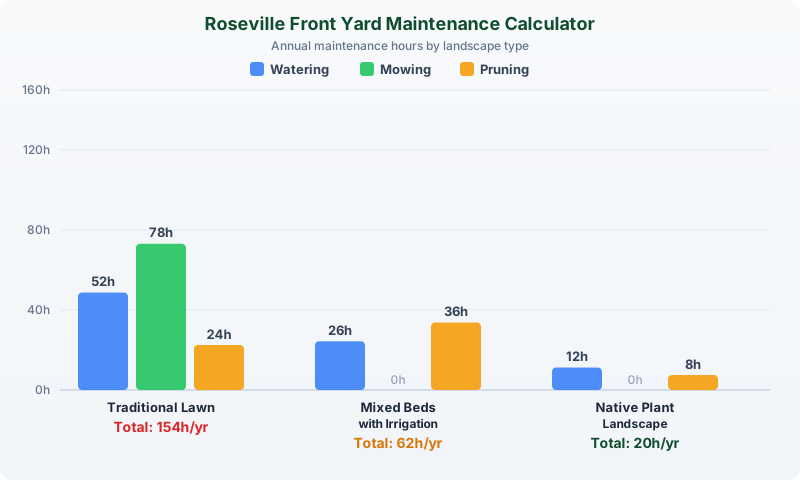
The most maintenance-efficient front yards in Roseville incorporate design principles that naturally minimize ongoing care. Start by embracing asymmetrical, naturalistic designs rather than formal, geometric patterns that require constant pruning to maintain crisp edges. Informal groupings of native plants create a relaxed aesthetic that actually looks better with minimal intervention, allowing plants to assume their natural forms.
Maximize planting bed size while minimizing the number of individual beds. Multiple small planting areas create more edges to maintain and more opportunities for weeds to establish. Larger, consolidated planting areas with dense coverage naturally suppress weeds through competition and create a cohesive visual impact with less maintenance. Aim for beds at least 6-8 feet wide where plants can achieve their natural size without constant pruning.
Incorporate functional hardscaping strategically to reduce maintenance zones while enhancing usability. Elements like stone pathways, gravel seating areas, and decorative boulders create maintenance-free spaces that add structure and reduce the square footage requiring plant care. The initial investment in quality hardscape elements pays dividends in reduced maintenance time for years to come.
Finally, embrace the concept of "right plant, right place"—positioning each species where its natural growth habits align with available space. This simple principle eliminates the endless cycle of pruning to contain oversized plants or replacing those unsuited to their location. For Roseville landscapes, this means sun-loving, drought-tolerant plants in exposed areas and shade-tolerant species under tree canopies, creating a landscape that essentially maintains itself.
Replace Thirsty Lawns with Attractive Groundcovers
Traditional lawns demand more water, mowing, fertilizing, and weed control than any other landscape element—making them the prime target for low-maintenance transformation in Roseville front yards. Replacing even a portion of your lawn with water-wise groundcovers dramatically reduces maintenance while creating visual interest that flat turf cannot provide. Native options like Ceanothus 'Centennial' create dense blue-flowered carpets that suppress weeds naturally, while Dymondia margaretae offers a silver-green alternative that can handle light foot traffic between stepping stones.
For areas requiring foot traffic, consider lawn alternatives specifically adapted to Roseville's climate, such as UC Verde Buffalograss or Kurapia groundcover. These innovative solutions require 50-75% less water than conventional fescue lawns, need mowing just 3-4 times annually (versus 30+ times for traditional lawns), and naturally resist common turf diseases. The transition requires some initial effort but rewards you with hundreds of saved maintenance hours and substantially lower water bills for years to come.
Incorporate Decorative Hardscaping to Reduce Planting Areas
Strategic hardscaping elements do double duty in Roseville front yards—they create visual interest while permanently eliminating maintenance-intensive planting areas. Decorative gravel paths, natural stone patios, and boulder arrangements provide structure and texture without requiring water, pruning, or fertilization. For maximum impact, integrate locally-sourced materials like Sierra granite boulders or decomposed granite, which naturally complement native plantings and withstand Roseville's temperature extremes without deterioration.
Install Smart Drip Irrigation for Set-and-Forget Watering
Modern irrigation technology transforms Roseville front yard maintenance by delivering precise water amounts exactly when and where plants need it. Smart controllers that adjust watering schedules based on weather conditions eliminate both overwatering and drought stress while reducing your involvement to occasional system checks. Combine these controllers with high-efficiency drip emitters placed at each plant's root zone to minimize water waste from evaporation and runoff, common problems with traditional sprinklers. Professional-grade systems like those installed by Burch Landscaping include flow sensors that automatically shut down the system if leaks occur, preventing water waste and potential plant damage.
For established native plant landscapes, program your system to deliver deep, infrequent irrigation that mimics natural rainfall patterns—typically once every 2-3 weeks during summer months. This approach encourages deep root development and drought resilience while preventing the fungal issues common with frequent shallow watering. The initial investment in quality components pays dividends through reduced water bills, decreased plant replacement costs, and the freedom from daily watering chores that consume summer evenings.
Seasonal Planting Calendar for Roseville's Unique Climate
Roseville's Mediterranean climate creates distinct planting windows that differ significantly from general gardening advice. Fall (October through November) provides the ideal planting season for most low-maintenance natives and perennials, allowing root systems to establish during winter rains before summer heat arrives. Winter dormant plants like deciduous trees and summer-blooming perennials can be planted from November through February, while spring installations should be completed by early April to allow establishment before intense heat. Avoid summer planting entirely unless using container-grown native species with excellent heat tolerance. This strategic timing maximizes plant success while minimizing supplemental watering needs during establishment.
Where to Buy Low-Maintenance Plants in Roseville
The quality of your plant material directly impacts its long-term performance and maintenance requirements. Locally grown native plants and adapted perennials from specialized nurseries typically demonstrate superior climate resilience compared to generic big-box store offerings. Roseville area nurseries that specialize in low-maintenance plants provide not just healthier specimens but invaluable expertise about specific varieties that thrive in our microclimate. Many maintain demonstration gardens where you can observe mature specimens before purchasing, preventing costly mistakes from selecting inappropriate plants.
Local Nurseries Specializing in Native Plants
Green Acres Nursery offers the most comprehensive selection of low-maintenance plants specifically grown for Roseville conditions. Their knowledgeable staff includes California Certified Nursery Professionals who can provide detailed care information for each plant and help you select varieties compatible with your specific soil conditions. Beyond retail plants, they offer soil testing services that identify amendments needed for challenging sites and maintain demonstration gardens showing mature plant combinations that thrive with minimal care in our climate.
- Green Acres Nursery (Roseville location on Baseline Road)
- Eisley Nursery in Auburn (worth the short drive for native plant selection)
- The Flower Farm in Loomis (specializes in drought-tolerant perennials)
- High-Hand Nursery in Loomis (excellent selection of Mediterranean plants)
- Bushnell Gardens in Granite Bay (landscape-ready native trees and shrubs)
When selecting plants, look for specimens grown in soil-based media rather than pure peat, which creates difficult transition challenges in Roseville's native soils. Plants with established but not root-bound root systems transplant most successfully and require less establishment watering. The best nurseries maintain their stock with appropriate watering practices rather than keeping plants constantly moist, producing hardier specimens better adapted to landscape conditions.
Consider purchasing smaller container sizes (one-gallon rather than five-gallon) of perennials and shrubs, which establish more quickly and often surpass larger specimens in growth within a single season. This approach not only saves money but typically results in more vigorous, drought-resistant plants better adapted to your specific site conditions.
Seasonal Plant Sales with Expert Advice
The Sacramento Chapter of the California Native Plant Society holds twice-yearly plant sales (spring and fall) that offer hard-to-find native species at reasonable prices. These events include educational displays demonstrating maintenance-free plant combinations and volunteers who provide personalized plant selection advice based on your specific yard conditions. Their curated selection focuses exclusively on species proven to thrive in the Sacramento region with minimal intervention, making these sales invaluable resources for Roseville homeowners creating low-maintenance landscapes.
The UC Davis Arboretum also hosts public plant sales featuring their "All-Stars" collection—plants that have demonstrated outstanding performance in Central Valley conditions with minimal care. Their scientifically tested selections undergo years of evaluation for drought tolerance, pest resistance, and long-term appearance before earning the All-Star designation. Attending these sales provides access not just to exceptional plants but to university horticultural experts who can answer specific questions about establishment techniques and long-term care requirements for challenging sites.
Make the Switch to a Low-Maintenance Front Yard This Season
Transforming your Roseville front yard into a low-maintenance showcase doesn't require completing everything at once. The most successful approach typically involves phased implementation, beginning with the most visible and high-maintenance areas. Start by replacing a portion of water-hungry lawn with a grouping of native shrubs and perennials, then expand this area as plants mature and demonstrate their success in your specific conditions. This measured approach allows you to learn which plants perform best in your microclimate while spreading the work and expense over multiple seasons.
For those preferring professional guidance, Burch Landscaping offers consultation services specifically focused on low-maintenance front yard transformations. Their team can develop phased implementation plans that work with your budget and schedule while ensuring proper plant selection and installation techniques that minimize long-term maintenance requirements. Whether you're a DIY enthusiast or prefer professional installation, the transition to a low-maintenance front yard represents an investment that returns both time and money savings for years to come while enhancing your property's appearance and environmental contribution.
Frequently Asked Questions
As you consider transforming your Roseville landscape to a more sustainable, low-maintenance approach, several common questions arise. The following answers address the most frequent concerns about adopting water-wise, low-maintenance plants in our unique climate conditions. Remember that while general guidelines provide a starting point, your specific site conditions—including soil composition, exposure, and microclimates—may require adjustments to these recommendations for optimal results.
For personalized advice tailored to your property's specific conditions, consider scheduling a consultation with local experts who understand Roseville's unique growing environment. Professional guidance during the planning stages often prevents costly mistakes and ensures your low-maintenance landscape thrives from the start.
How often do I need to water low-maintenance plants in Roseville's summer heat?
Established native and Mediterranean plants typically require deep watering just once every 2-4 weeks during Roseville's summer months, even during periods of extreme heat. The key is infrequent but thorough irrigation that reaches 18-24 inches deep, encouraging roots to access subsoil moisture. Recently planted specimens need more frequent watering during their first summer—typically once weekly for the first month, then gradually extending the interval as roots establish. Rather than following a rigid schedule, learn to observe your plants for early signs of drought stress (slight wilting in the late afternoon that recovers overnight) and water before severe stress occurs. Smart irrigation controllers that adjust based on weather conditions simplify this process while preventing both overwatering and under-watering.
Which low-maintenance plants will give me year-round color in my Roseville front yard?
Creating four-season interest in low-maintenance Roseville landscapes requires strategic plant selection rather than reliance on water-hungry annuals. Begin with structural evergreens like Manzanita and Ceanothus that provide consistent form and foliage year-round. Layer in spring-flowering perennials like Penstemon and California Poppy, summer bloomers including Salvia and Yarrow, and fall-flowering selections such as Epilobium (California Fuchsia). Winter interest comes from ornamental grasses that maintain their form through the dormant season, berried shrubs like Toyon, and early-blooming bulbs that require zero summer water.
For maximum impact with minimum effort, focus on plants that provide extended blooming periods rather than brief but spectacular displays. Varieties like 'Hot Lips' Salvia, which flowers continuously from April through November in Roseville, deliver more visual impact than plants with brief but showy flowering periods. Incorporating plants with colorful or textural foliage—like the silver leaves of White Sage or the burgundy tones of 'Marooned' Coral Bells—provides color even when flowers aren't present.
Can I mix drought-tolerant plants with existing traditional landscaping?
Integrating drought-tolerant plants into existing landscapes requires careful consideration of water needs and growing conditions. The most successful approach creates distinct planting zones with similar water requirements, preventing the common problem of either overwatering drought-tolerant species or stressing traditional plants with insufficient moisture. Start by identifying your existing plants' water needs, then incorporate compatible low-maintenance species in the same irrigation zones while gradually transitioning high-water areas to more sustainable options.
For visual cohesion between traditional and drought-adapted areas, use transitional plants like Lavender, Echinacea, and ornamental grasses that complement both styles while requiring moderate water. Create clear design separation between different maintenance zones using hardscape elements like decorative rock borders or pathways, which prevent the visual clash that can occur when distinctly different planting styles meet without transition. The goal is creating harmonious views from key vantage points while maintaining efficient maintenance zones behind the scenes.
What's the best month to plant low-maintenance perennials in Roseville?
October and November provide the ideal planting window for low-maintenance perennials and shrubs in Roseville. This timing allows root systems to establish during winter rains before summer heat arrives, dramatically reducing both plant stress and supplemental watering requirements. Fall planting gives drought-tolerant natives and Mediterranean plants approximately six months to develop sufficient root mass before facing their first summer challenge, resulting in significantly better long-term performance compared to spring installations. For species that are marginally frost-sensitive, delay planting until late February or early March after the risk of hard freezes has passed.
The traditional spring planting season (April-May) actually represents the second-best option for Roseville gardens, but requires more vigilant irrigation during the establishment phase as plants face summer heat shortly after installation. Avoid summer planting entirely unless using extremely drought-tolerant container-grown native species, as the establishment demands during peak heat create stress that often results in long-term performance issues or outright failure.
- October-November: Optimal for most native plants, perennials and shrubs
- February-March: Good for frost-sensitive species and summer-flowering perennials
- April-Early May: Acceptable for container-grown plants with careful establishment watering
- May-September: Avoid planting except for extremely drought-tolerant native container plants
When planting during any season, remember that proper soil preparation dramatically impacts long-term maintenance requirements. Amend Roseville's heavy clay soils with compost to improve drainage and root development, applying amendments to the entire bed rather than just individual planting holes, which can create "bathtub" effects that trap water around roots.
How do I prepare my soil for drought-tolerant plants in Roseville's clay soil?
Roseville's heavy clay soils require specific preparation techniques to support drought-tolerant plants successfully. Start with simple drainage testing—dig a 12-inch hole, fill it with water, and observe how quickly it drains. If water remains after several hours, you'll need more intensive amendment to prevent root rot in drought-adapted species that expect excellent drainage. For most native plantings, incorporate 2-3 inches of high-quality compost throughout the entire planting area (not just individual holes), which improves both drainage and microbial activity while maintaining the mineral structure that many natives prefer. Avoid excessive amendment with materials that create dramatic texture differences between planting holes and surrounding soil, which can prevent roots from expanding beyond the amended zone.
For extremely drainage-sensitive plants like Manzanita and Ceanothus, consider creating raised planting mounds 8-12 inches above grade using native soil amended with approximately 20% coarse sand and compost. This elevation naturally improves drainage while maintaining compatible soil chemistry. After planting, apply a 2-3 inch layer of shredded cedar or redwood mulch (keeping it several inches away from plant stems) to suppress weeds, moderate soil temperature, and slowly improve soil structure as it decomposes. Avoid heavy bark mulches that can form water-repellent surfaces during drought, and never use weed fabric under mulch in perennial plantings, as it prevents the natural soil improvement process that reduces long-term maintenance.
With thoughtful preparation and plant selection, your Roseville front yard can become a showcase of sustainable beauty that enhances your property while freeing weekends from endless maintenance chores. Burch Landscaping specializes in creating these low-maintenance landscapes that thrive in our unique climate while meeting your specific aesthetic preferences and functional needs.
Ready to start your project?
Contact Brian Burch for a free estimate on your landscaping project in Roseville and the Greater Placer Valley.